“A team that wants to do great things together”
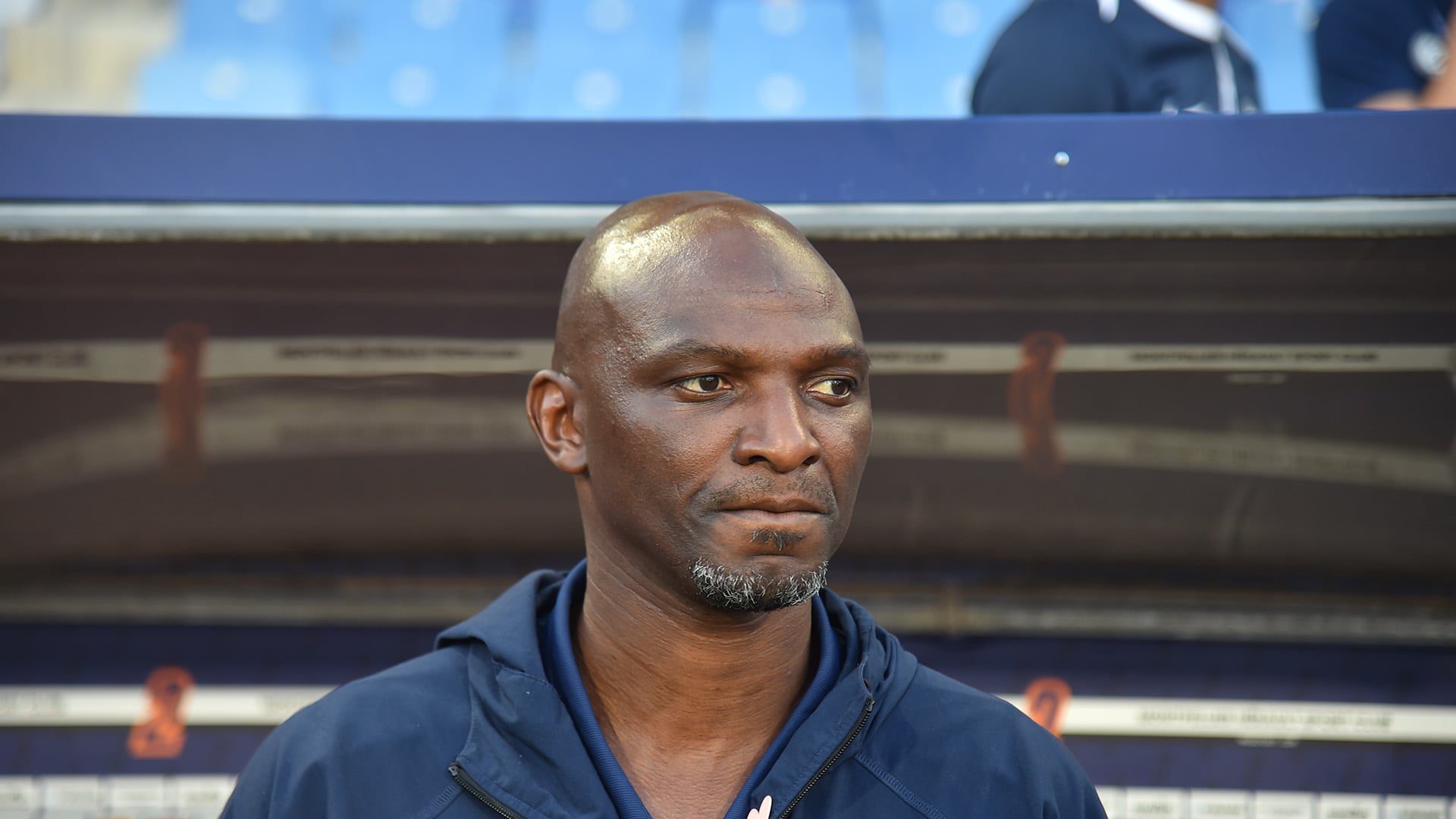
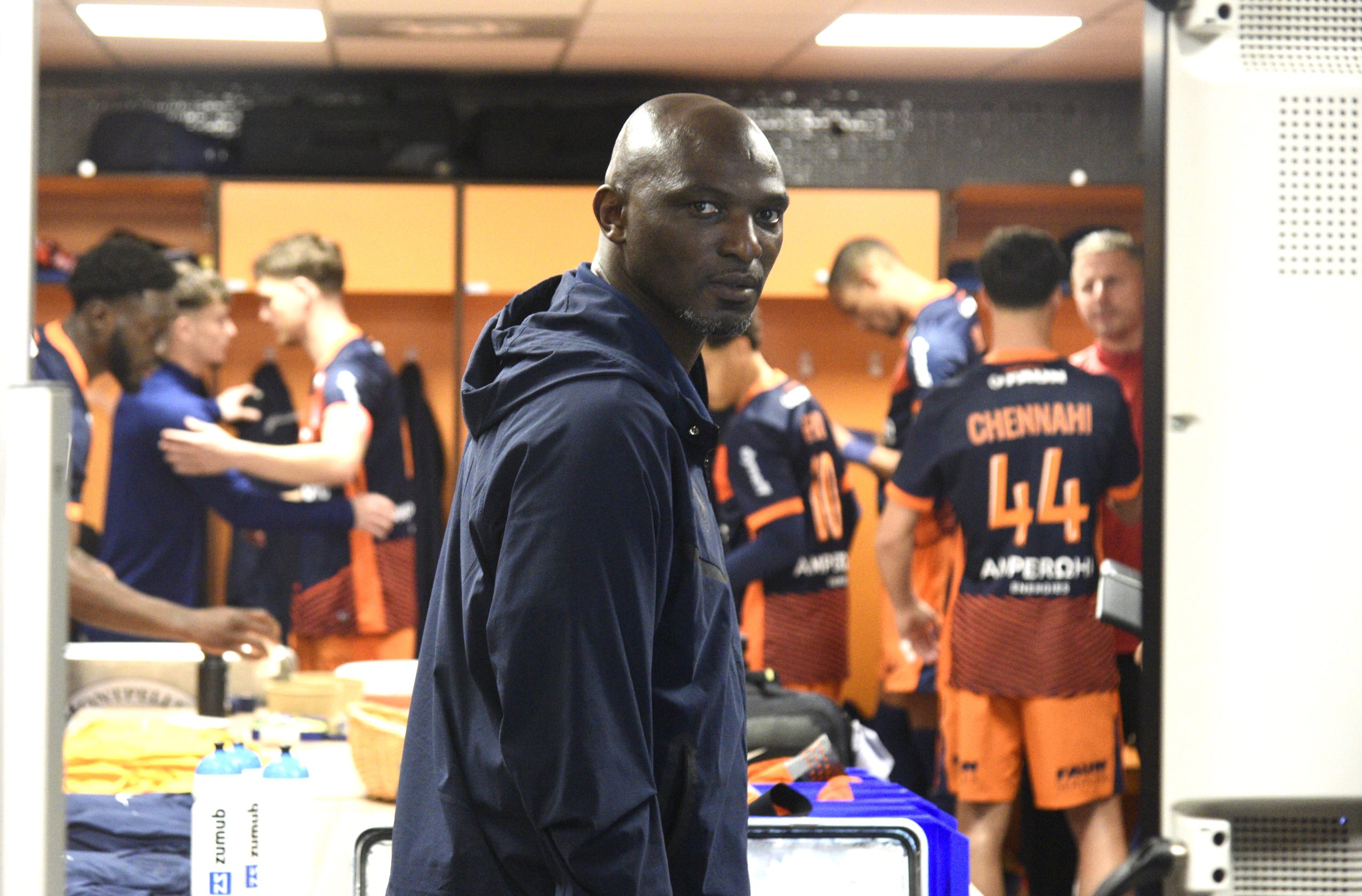
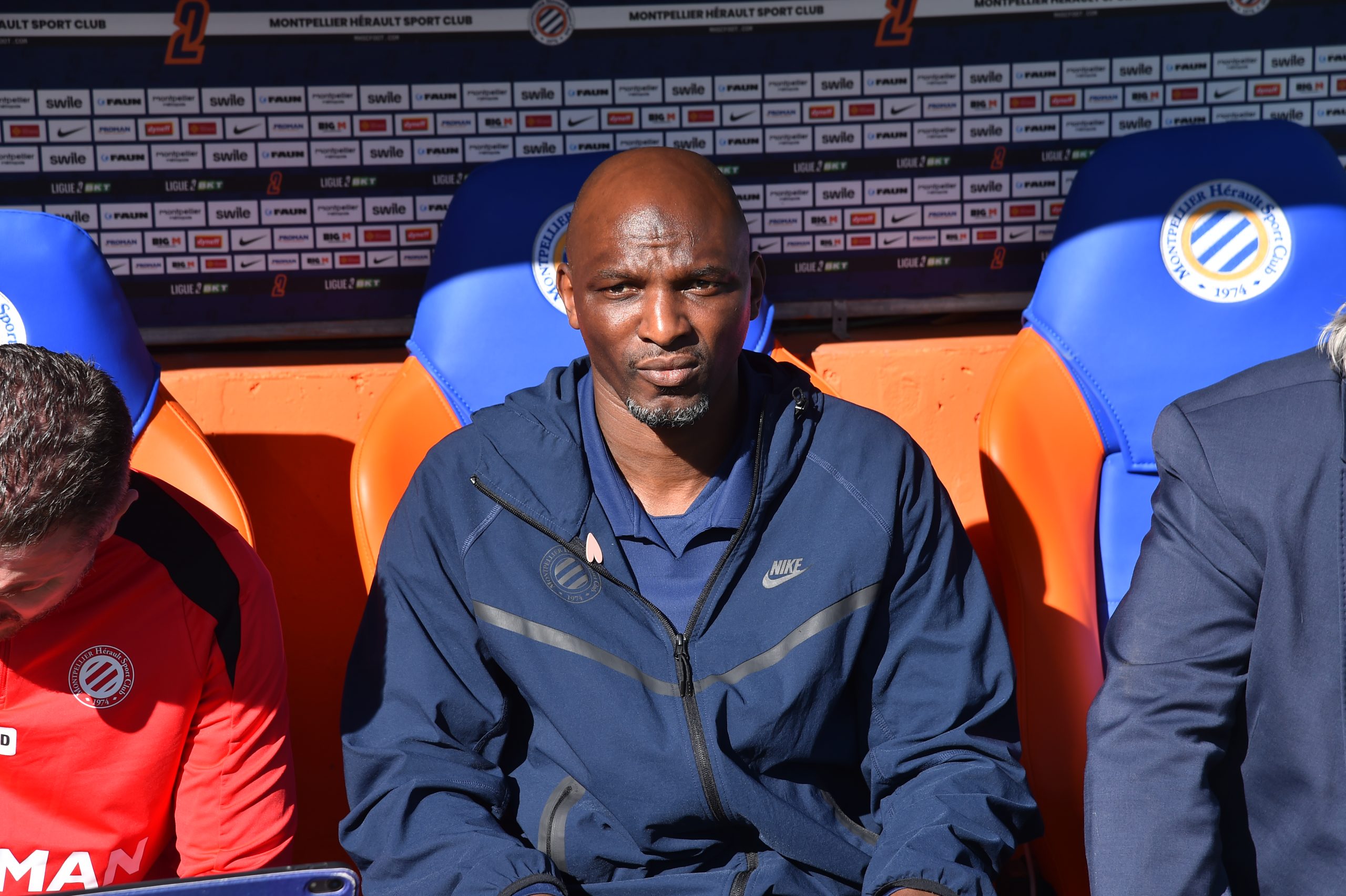
MHSC’s professional team coach, Zoumana Camara, looks ahead to the Gambardella Cup final between Montpellier and PSG this Friday; he previously served as a youth coach at the Parisian club before joining the Hérault-based team in April 2025.
On a personal idea, what is your memories of the Coupe Gambardella?
I’ve seen a few on TV, including one when I was a kid, back in 1996, between FC Nantes and MHSC, with Ibrahima Bakayoko scoring the winning goal for Montpellier. That goal really stuck with me—the way he dominated the defense. He was a pure striker. You could tell he had something special. I was also surprised by the fact that after scoring a goal, he would often do a little somersault! (smiles). That’s something I’ve always remembered about the Gambard’, especially since back then, the competition was played at a higher age level (U19 versus U17-U18 today, Ed.), so there were a lot of players who were already playing regularly with professional teams.
Later, as a player, I had the opportunity to compete in this tournament when I was at the AS Saint-Étienne Academy, but I never managed to get very far.
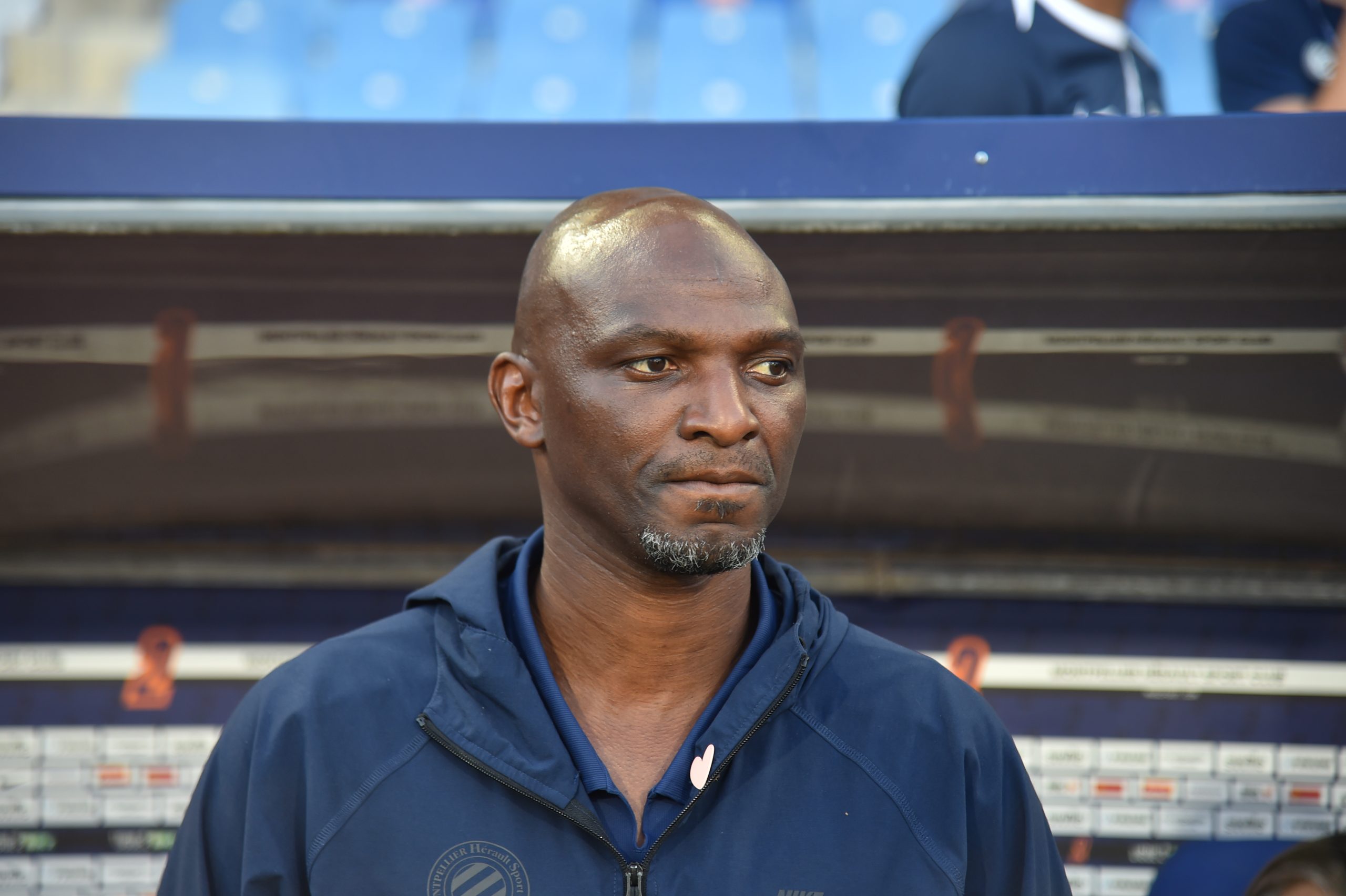
For these young players, it’s a taste of what a career can be like and makes them want to experience that kind of thing

And as an academy coach, have you experienced that?
Yes, during the three years I was at the PSG Academy, I was in charge of the Gambardella squad, so that included both the U19s I managed during the season and a few U17s, even though I was already playing at a very young age; so, it was basically the same group of players I had, with a few additions from the U17s. The only regret I have is my final year, when we finished as French champions, but in the Gambardella Cup draw, we faced OM in Marseille in the early rounds of the competition and were eliminated on penalty kicks by the eventual champions (2024). Maybe if fate had intervened—even if it had just been a chance to face them in the final or to host them in Paris—it would have been a different story (that Parisian team included Ethan Mbappé and Senny Mayulu, Ed.).
Having experienced it both as a player and as a coach, what does competing in the Gambardella Cup bring to the table?
It’s still a competition where you have the chance to play at the Stade de France. For these young players, it’s a taste of what a professional career might be like and makes them want to experience that kind of thing. It also fosters a competitive spirit and a drive to win. It’s no guarantee of success or a sure thing for the future, but experiencing this at this age, in my opinion, is something truly exceptional.
From a coach’s perspective, youth championships foster a competitive spirit. Here, that spirit is obviously always present, but in a different form. It’s a knockout match, a do-or-die game, much like certain Youth League matches can be. These two competitions generate a certain buzz, with a real “event” feel to them. (In three seasons, Zoumana Camara won one French U19 Championship title, along with one loss in the semifinals and another in the final of that competition—Editor’s note)
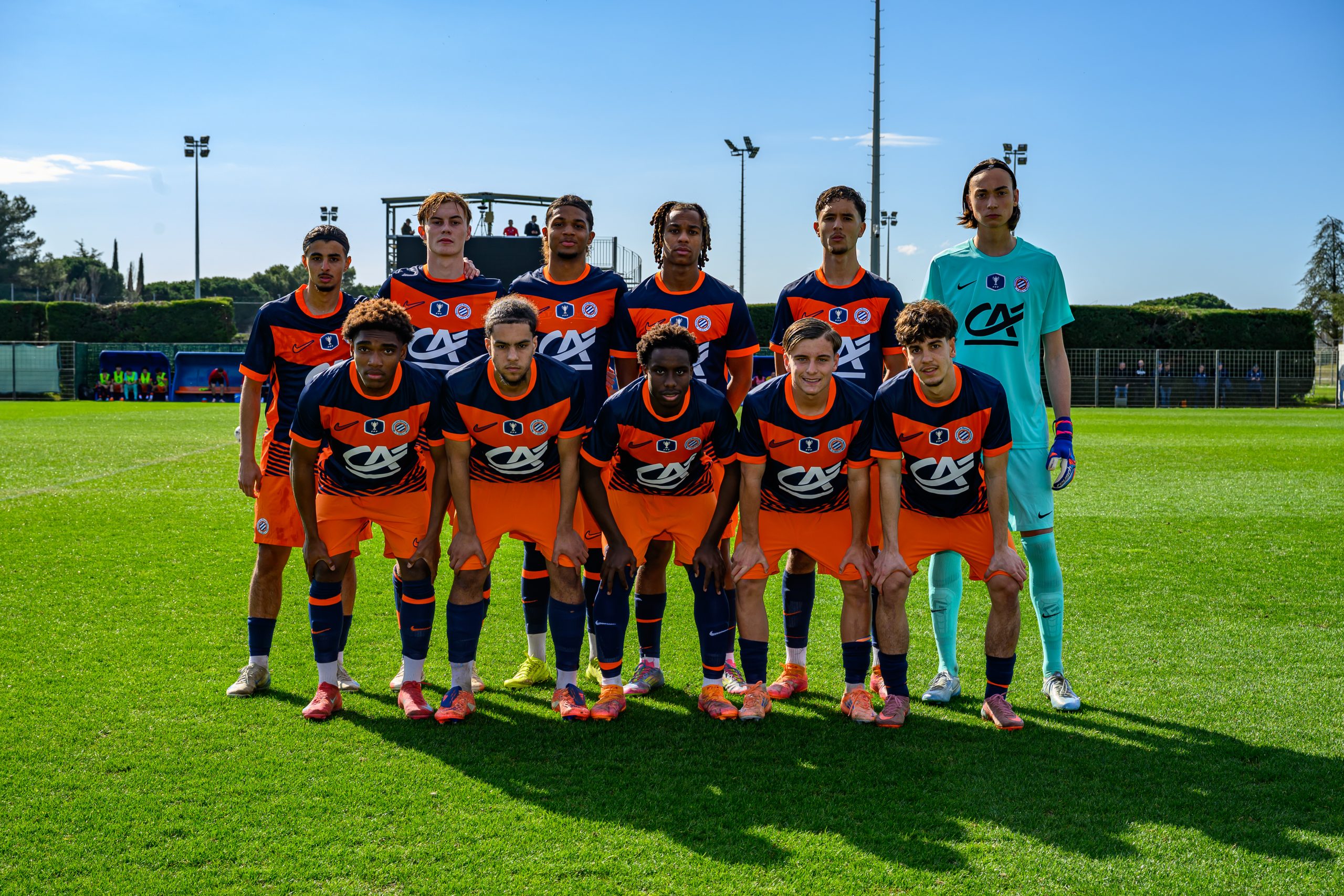
What are your thoughts on this Gambardella generation at MHSC?
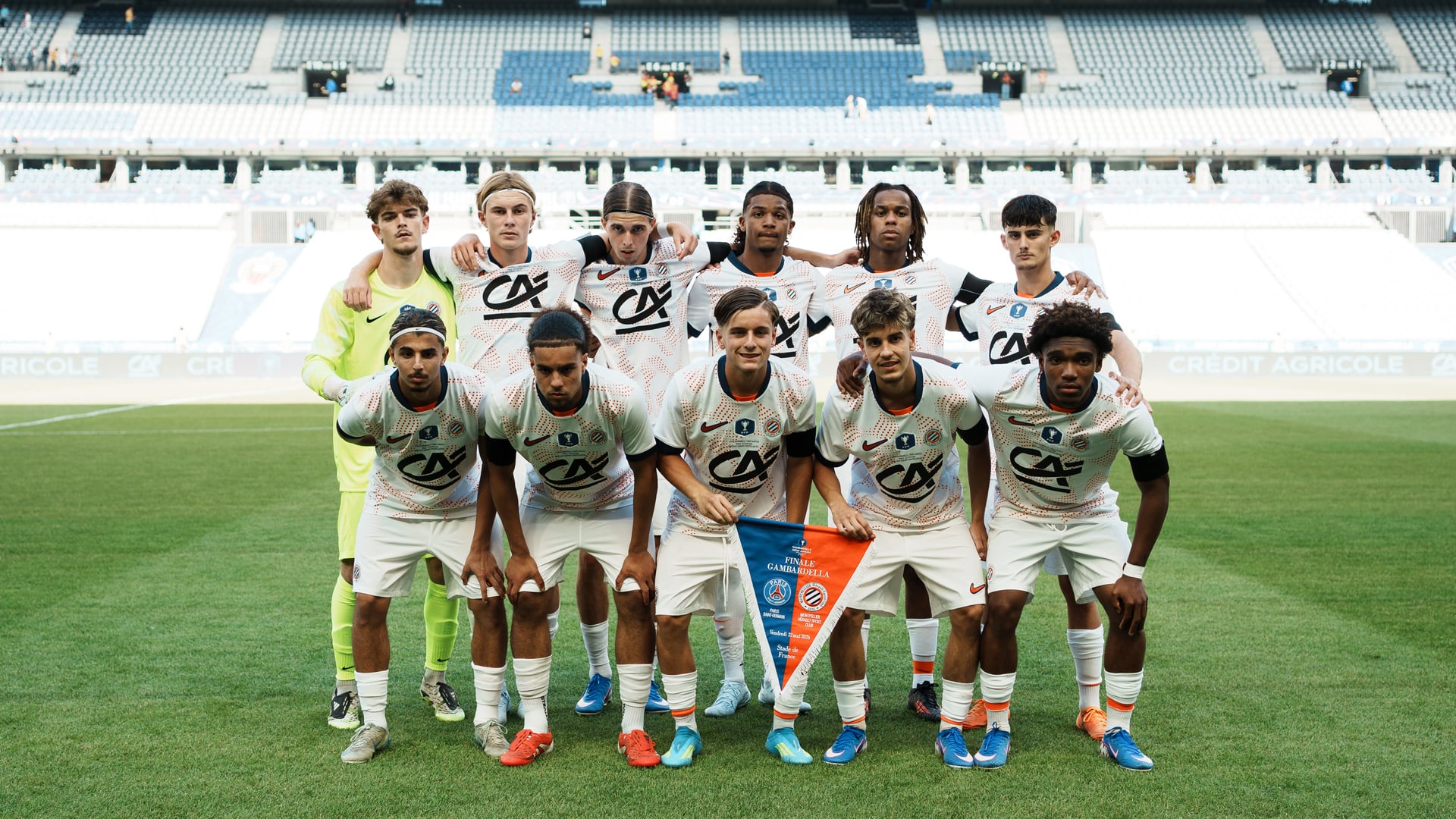
It’s a great team, a great group, with some interesting individual talents within it. I’ve had the chance to see some of them play with us, whether in matches or in training, such as Noah Vidal-Cartoux, Robin Thiland-Hérard, and Laciné Megnan-Pavé.
In midfield, this MHSC Gambardella team has players with a lot of energy; at the back, they’re solid with players like Angelo (Tognarelli), who trains with us regularly. I think this is a great generation across all positions; they have talented players, and you can sense a group that’s eager to embark on a great journey and achieve great things together. They’re also well-coached by a great head coach, Michel Rodriguez.
Look for players from the region or those with that special something. Young people who, perhaps from a very young age, were the kind of kids whose parents took them to La Mosson Stadium and who, even before thinking about going anywhere else, dream of playing for their hometown team.
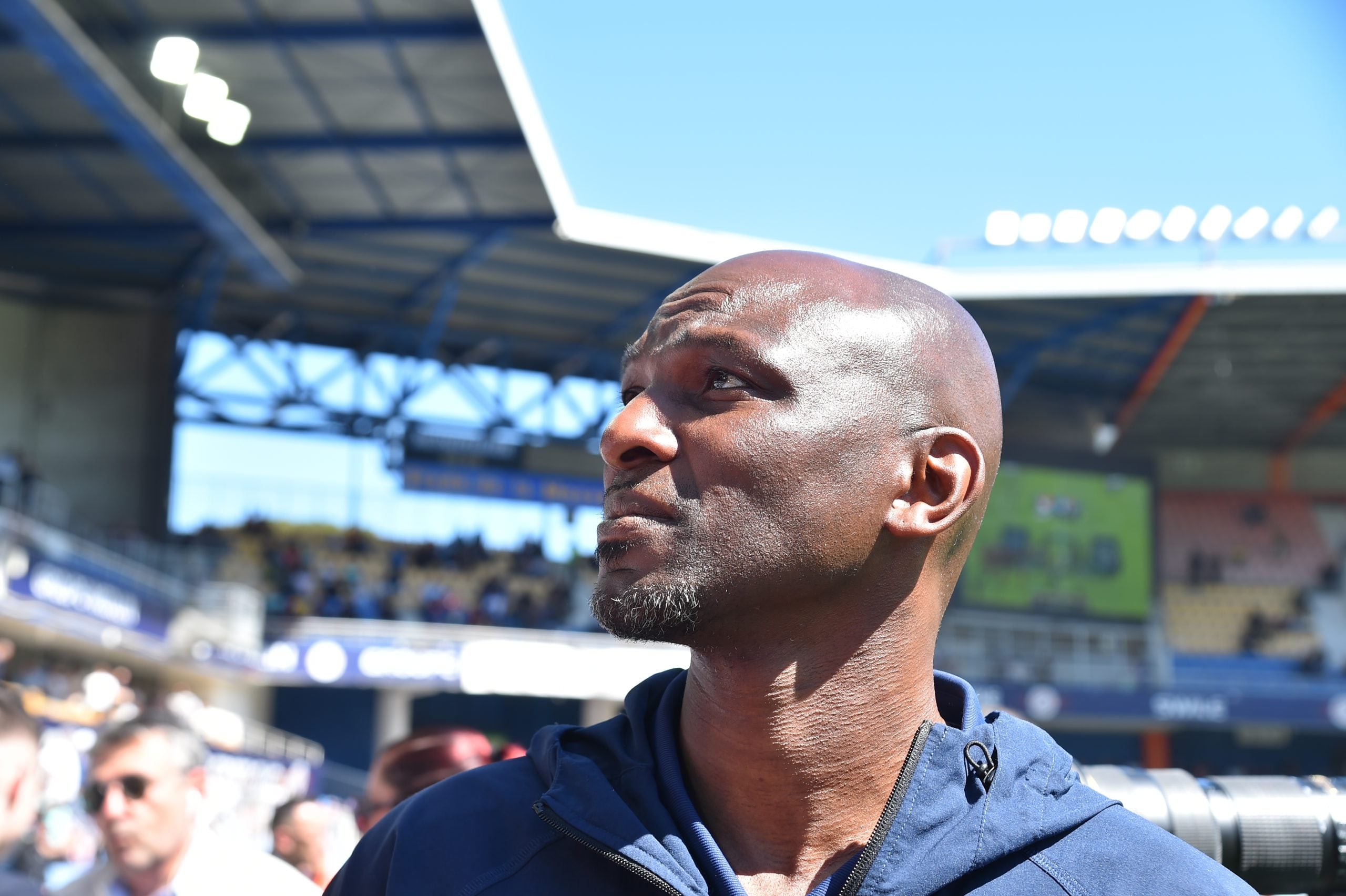
Time flies, but do you still know any Parisian players who will be competing in this final against PSG?
I know most of the players who will be playing in this final, but they were mostly U17s back then, so I didn’t coach them—except for a few whom my staff and I were starting to “work with” a bit and who occasionally trained with us. From what I’ve seen, it’s a great group of players. It’s a team with some experience, having made it to the semifinals of the Youth League. That gives them experience in high-level matches, but it’s still a final, so it’s a 50/50 shot.
I love seeing these young players training with us, because when they arrive, they bring a sense of discovery, a freshness, a carefree spirit—that youthful energy…
In your opinion, what are the differences and similarities between the academy systems in MHSC and PSG?
It’s not the same ”league”. The Paris region is a huge talent pool, and PSG has the resources to recruit the best players from it. You know, clubs often talk about categories A, B, C, or 1, 2, 3. These days, when PSG targets a top player and Montpellier does too, the player gives priority to Paris. Today, the top priorities are PSG and Rennes—if I’m not mistaken, we can include Lyon and maybe Monaco. Then there are the second-tier clubs. Today, Montpellier might be ranked 2nd, 3rd, or 4th, but that’s normal. It’s a question of resources, and that doesn’t mean the club can’t achieve good results—as it’s proving with this team that’s a finalist. In a way, that makes it all the more beautiful… I believe we need to seek out players from the region or those who have that special something. Young players who, perhaps from a very young age, were kids whose parents took them to Stade de La Mosson and who have a dream even before they go anywhere else—to say to themselves, “I dream of playing at home.” I think that’s something we need to rediscover; it has to be a strong identity for the club and the region.
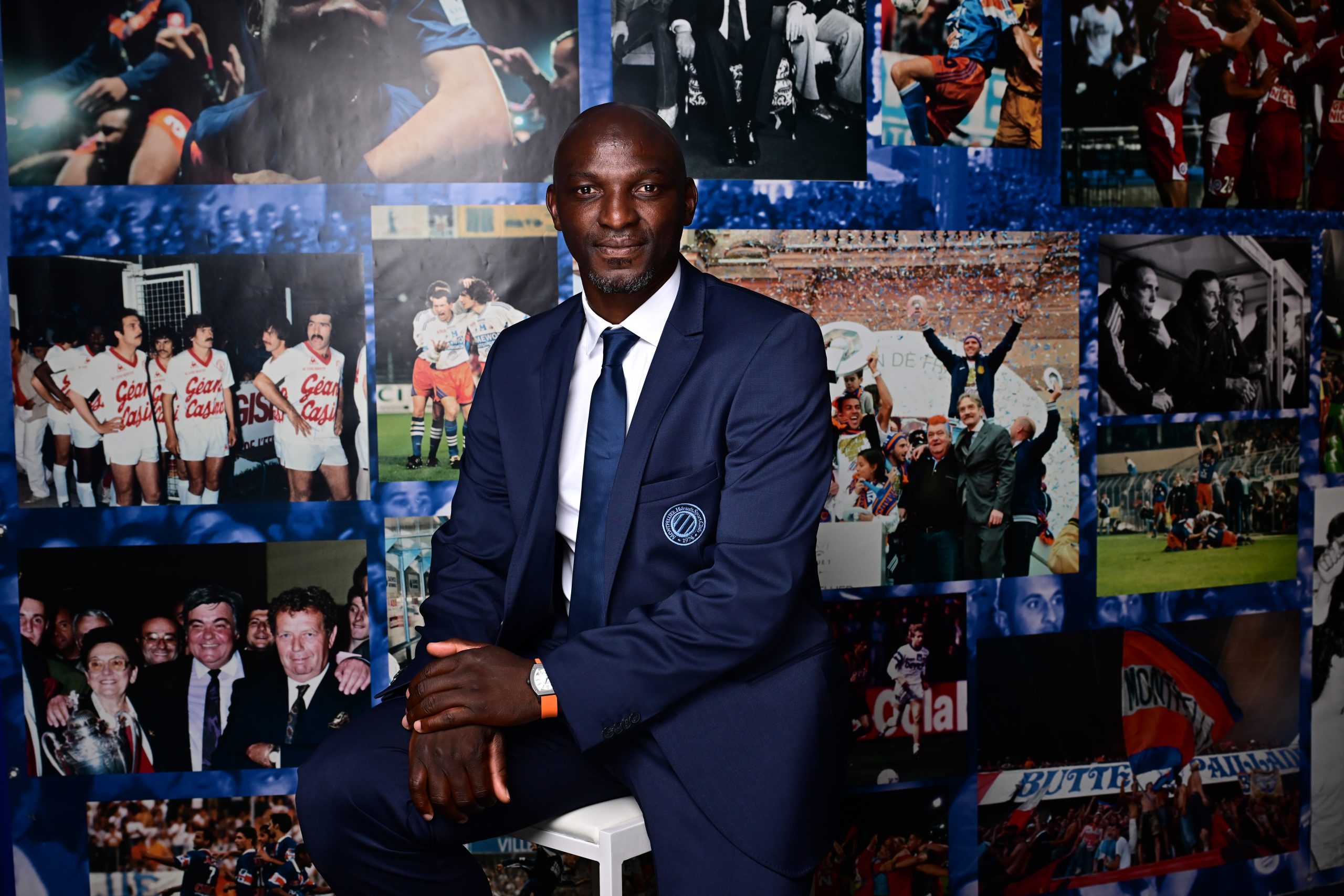
A great team, a great way to play, with some interesting individual talents within it
A quick mention of players from this generation—like Léciné Megnan-Pavé, Angelo Tognarelli, Robin Thiland-Hérard, and Noah Vidal-Cartoux—whom you’ve had the chance to include in training sessions with the pros…
They’re good kids, well-mannered, and well-liked by the pro squad. I like seeing these young players train with us, because when they arrive, they bring a sense of discovery—there’s a freshness, a carefree spirit, that youthful energy… They need to hold onto that freshness because they’re at an age where we ask them to bring energy, passion, and that carefree spirit. So when they come to train with us, they bring that, and it makes me happy.
As the head coach of the first team, is it reassuring to see young players starting to make their mark?
It’s good for the club; it proves that the youth system is doing a good job. But reaching the Gambardella Cup final isn’t an end in itself, nor is it a guarantee that we’ll have top-level players. We still have a long way to go. It shows that the youth system is on the right track in terms of the work we’re doing, but the goal isn’t to win at the youth level—it’s to make it to the top. If tomorrow someone asked me, “What do you prefer? Winning the Gambardella Cup or having a team that doesn’t win it, but players who have developed and who, in the end, have made it as far as possible into the first team,” I’d choose the latter. If we can have both, all the better. This impressive run in the Gambardella Cup is a means of development, but it’s no guarantee.
In closing, what message would you like to share with our young players ahead of this final?
They did it as a team, with tremendous enthusiasm, even though they weren’t the favorites. I remember when I went to watch the round of 16 match against Strasbourg, people were saying, “Watch out, Strasbourg is a tough team.” When they played Nice in the quarterfinals, I was told, “Nice is the favorite; they’re a tough team.” “ When they went to Rennes, people said, ”Rennes is very strong,” and in the end, they made it through all those rounds. The only thing I can wish for them is to do the same in the final, to have fun, and to enjoy those moments. There are pro players who go their entire careers without ever getting the chance to play at the Stade de France. They, at their age, are going to be there, so it’s up to them to make the most of this opportunity they’ve created for themselves and these precious moments—all while giving it their all to win.
There are professional players who go their entire careers without ever getting the chance to play at the Stade de France. They, at their age, are going to get that chance, so it’s up to them to make the most of the opportunity they’ve created for themselves.
Childhood memory
A two-time winner of the Coupe de France—for which the Coupe Gambardella traditionally serves as the opening act—during his playing career (in 2010 and 2015), Zoumana Camara has a special connection to this competition… and to MHSC. A connection that dates back to his earliest childhood: childhood memories “One of my earliest memories of soccer is the 1990 Coupe de France final between MHSC and Racing Paris. I was 11 at the time, and since I was from Colombes, I played for Racing. I was in the stands, and MHSC had won 2–1.” (goals by Laurent Blanc and Kader Feraoui). I remember that match because Racing’s future was on the line. The club was in danger of being relegated from the league and was on the verge of dropping down to Ligue 2. A win in that final might have allowed them, despite the relegation, to compete in a European Cup and secure their future, as they were plagued by financial troubles. Instead, Racing lost that final and the club dropped from Division 1 to Division 3.”