“A very warm relationship with both clubs”
Having come through the ranks at Grenoble and won the French Championship with MHSC, Jonathan Tinhan looks back on his time with both clubs and shares his thoughts on current events and friday’s match
First of all, what’s become of you?
I brought my playing career to an end at the close of the season cut short by Covid (2019–2020), at the age of just 30. That was when I embarked on my second career. I worked at GF38 for five years as CSR Manager. Alongside that, during my playing career, I had resumed my studies in digital marketing and website design, and this role at the Grenoble club allowed me to wear both hats. In February 2025, I left the club and set up my own company (Une histoire de com), which operates in these two areas: On the one hand, everything to do with marketing and digital communication strategy, including website design; and on the other, CSR support for businesses (audits, carbon footprint assessments, etc.). Let’s just say I’m trying to make my way as an entrepreneur, and things are going rather well.

I’m pleased to have been part of both chapters of GF38’s history: the period before and after the 2011 bankruptcy filing

Your career as a footballer has been deeply influenced by GF38 and MHSC. Can you tell us about your first spell at Grenoble?
I was born in Grenoble and joined the club’s academy at the age of 15. My first two years as a professional were actually quite difficult, as I experienced two consecutive relegations: from Ligue 1 to Ligue 2 at the end of the 2009–2010 season, then to the National a season later, with the added blow of the club going into administration. It was really tough to go through, and it hurts even more when it’s the club that trained you and your home town’s team
However, even though the players I’m about to mention are all a bit younger than me, there were some excellent generations coming through at Grenoble, featuring players who went on to have successful careers, such as Florian Thauvin, Saphir Taïder (who went on to play for Inter Milan, after all), Ruben Aguilar (who had a fine spell at Montpellier a few years later), Brice Maubleu (now at Saint-Étienne), and Sofiane Fegouli (who played for Valencia and Galatasaray, among others, Ed.). For my part, I’d made a few appearances in Ligue 1 and scored my first goals in Ligue 2, although, with those two relegations and the club going into administration, my first two years as a professional were very difficult to get through. Fortunately, straight afterwards, I was able to join Montpellier and immediately embark on that magnificent adventure which led to the French league title in May 2012. Emotionally, it was a world of difference.
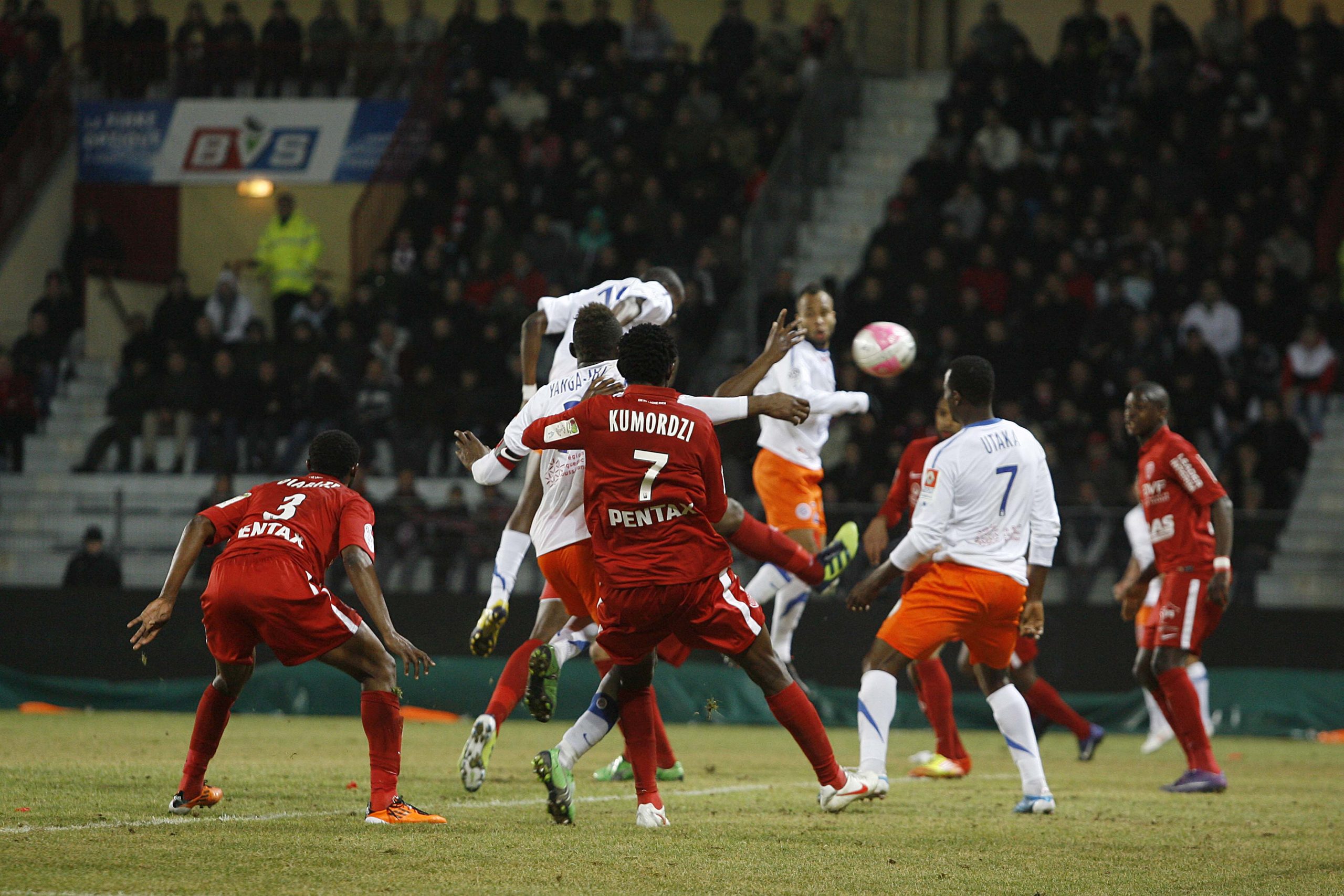
Let’s look back at your time at MHSC…
I was 21 at the time and had never left Grenoble. So it was also a chance to experience a change of scenery, to step out of my comfort zone, and to be without my familiar surroundings or all my loved ones around me. However, I was made to feel very welcome. There are plenty of clubs that call themselves ‘family clubs’, but at MHSC, that’s really the definition that fits best. It’s no coincidence, in fact, that when I returned – whether for the 10th-anniversary celebrations of the title or the club’s 50th anniversary – I saw lots of people I’d spent time with at the club during my time in Montpellier.
There are plenty of clubs that call themselves ‘family clubs’, but at MHSC, that’s really the definition that fits best
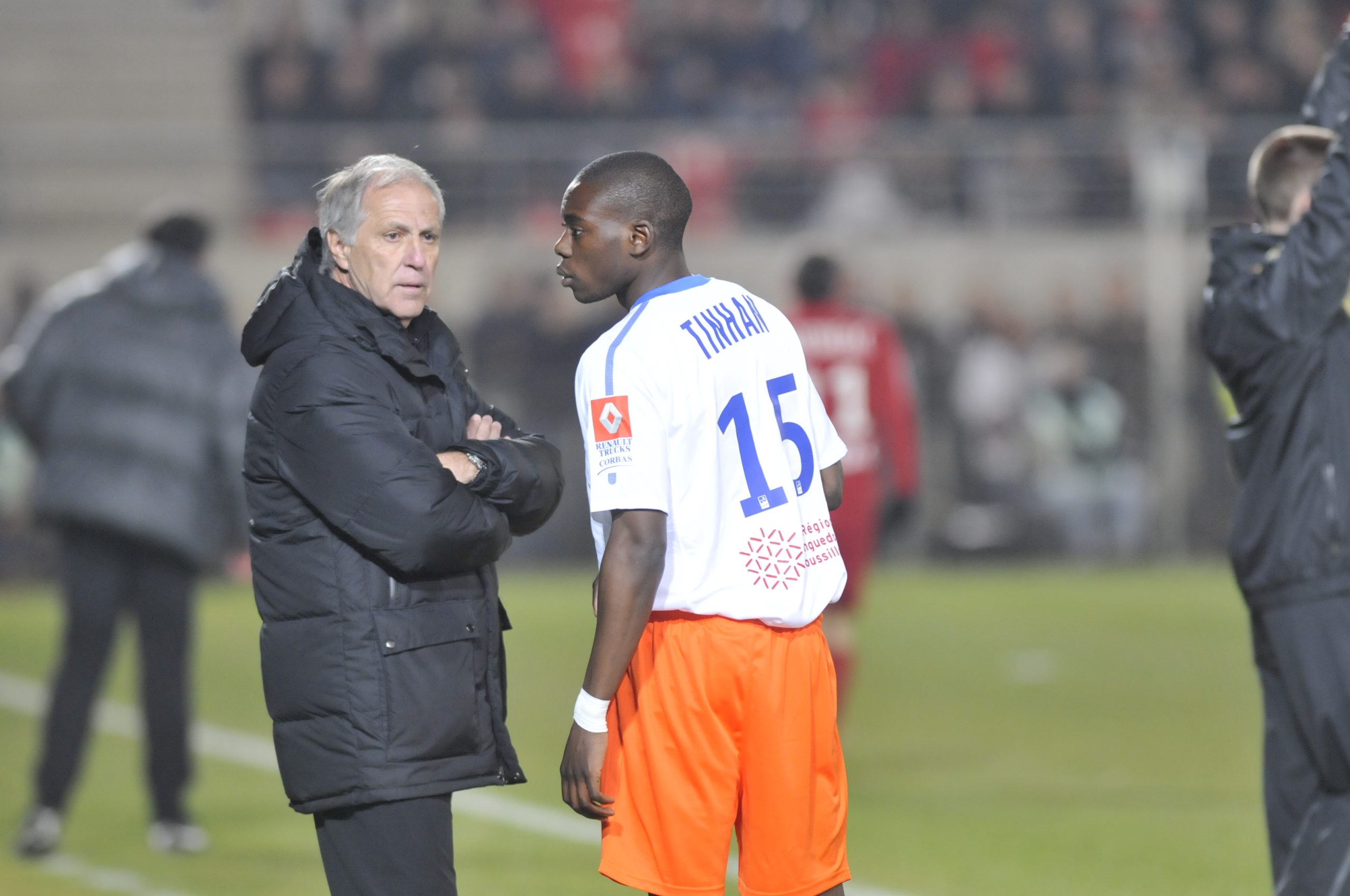
Going back to when I joined in 2011, I was also lucky enough to be reunited with lots of players my own age, such as Benjamin Stambouli, Rémy Cabella, Younes Belhanda and Mapou Yanga-Mbwa, to name but a few. We didn’t necessarily know each other, but we’d often played against one another at youth level, and that made it easier for me to settle in, as did the presence of Olivier Giroud, whom I knew from Grenoble and who helped me a great deal. What’s more, the squad was performing so well, both on and off the pitch, and even more so during a season as successful as that one, that everything came together to help me settle in as smoothly as possible. I arrived at the right time, and this Montpellier adventure was quite simply extraordinary.
To be French champions and play in the Champions League – I never would have dreamed of experiencing that
How would you sum up your time with us overall?
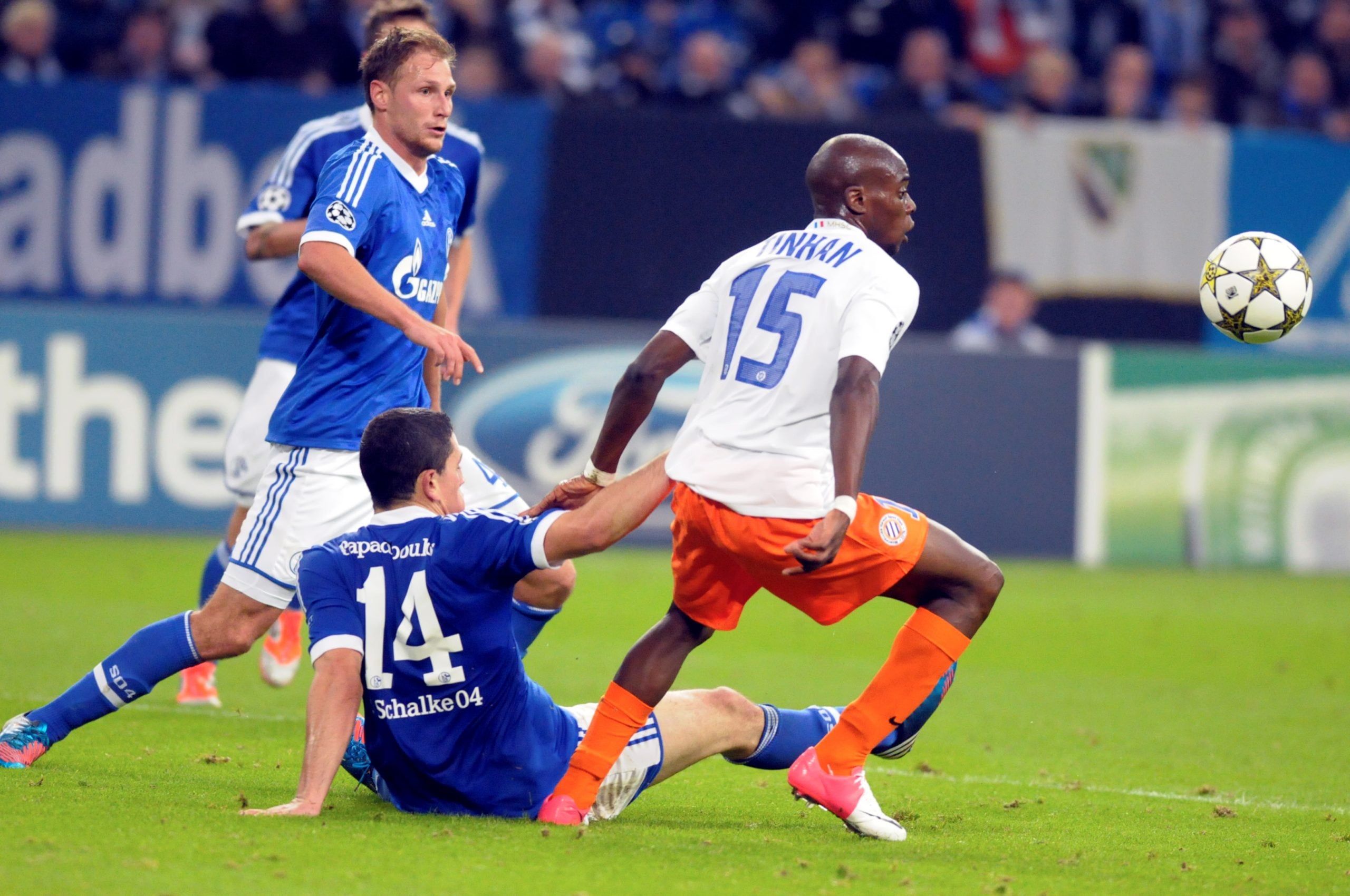
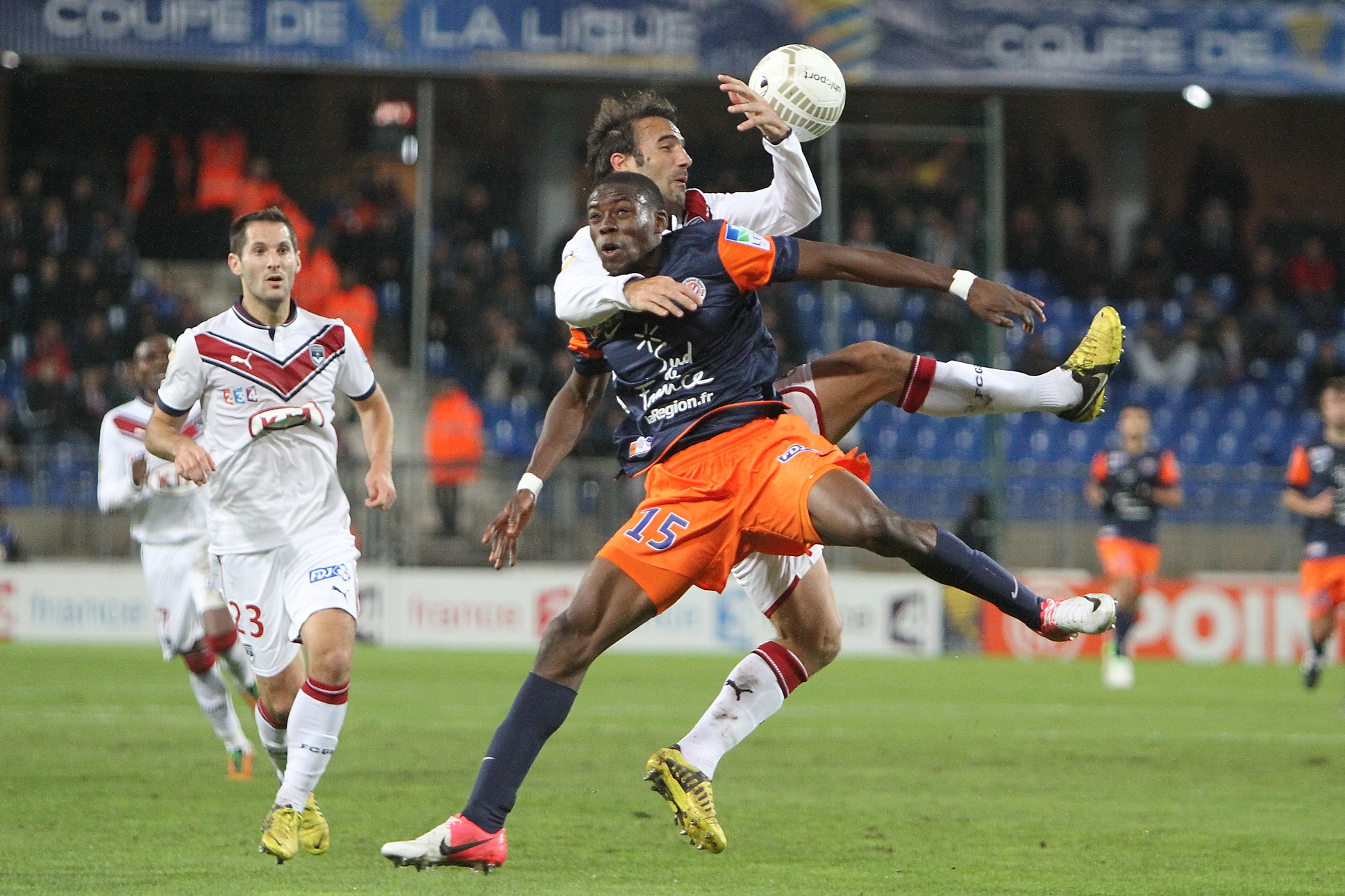
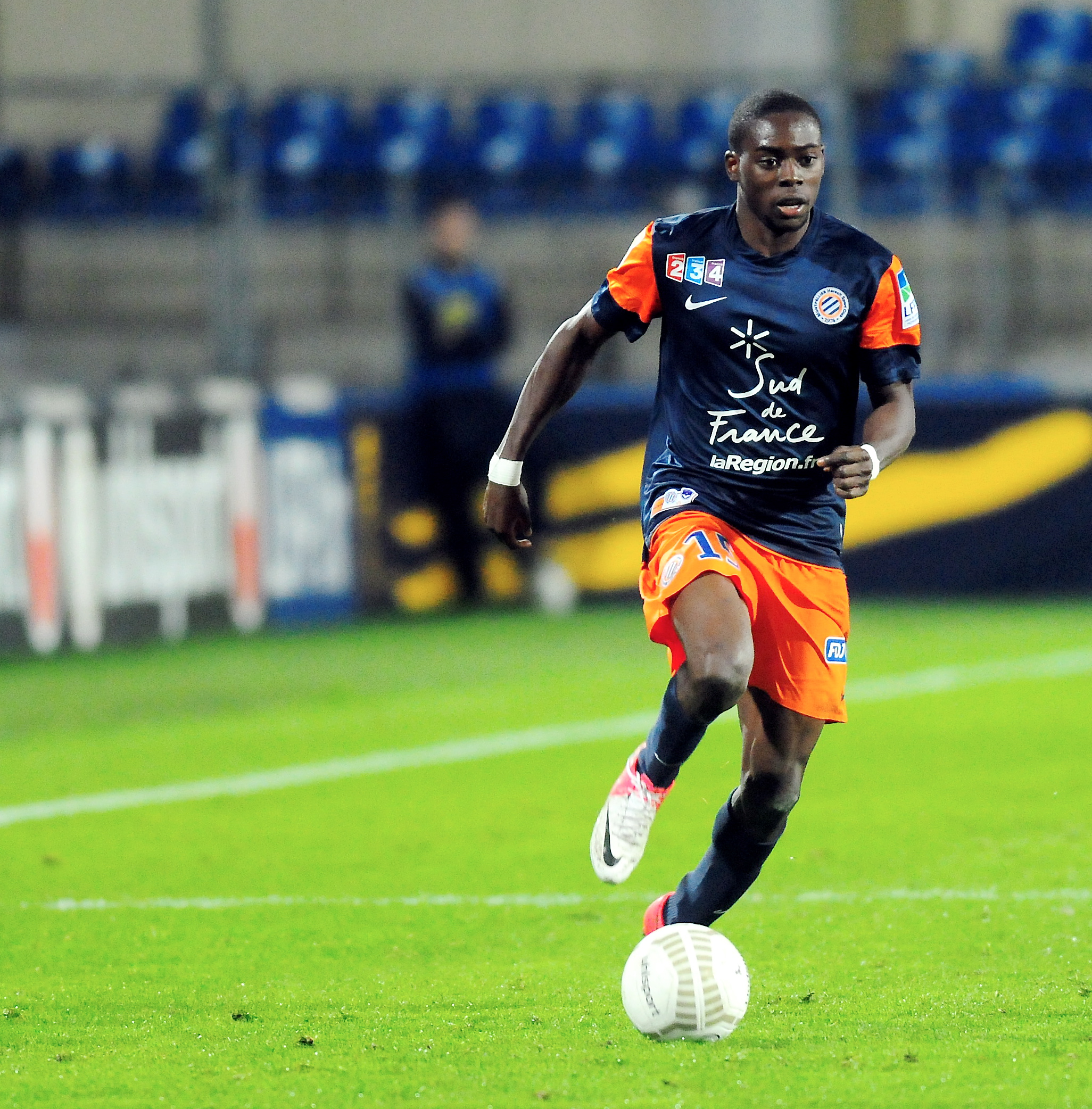
I think that was the period that helped me grow the most, both as a player and as a person. It was there that I experienced my first taste of team success, but also my first injuries, my first doubts, questioning myself, and facing fierce competition… Even though I didn’t play a great deal at Montpellier, I take nothing but positives from that adventure in orange and blue. I had three exceptional years, surrounded by great people and in a fantastic spirit. It’s always a pleasure to follow the club and pop back from time to time.

At the time, I still had a year left on my contract at Troyes, but I managed to reach an agreement to terminate it and sign for Grenoble. Deep down, I knew I wanted to finish my career there.
And then there’s that famous French Championship title…
That title means a great deal to me. Honestly, when I was young, football was never my first priority. That’s actually why I went back to my studies before ending my career at a fairly young age, because I always thought about life after football. That title means the world to me. To be French champion and to experience the Champions League – I never would have hoped to experience that.
As proof of your loyalty to GF38 – having played for clubs including Amiens and Troyes – you chose to end your career in Grenoble at the age of just 30. Why?
Precisely because, in my mind, I was already nearing the end of my career. I was thinking about life after football; I wanted to go home and get my bearings back. I still had a year left on my contract at Troyes, but I managed to reach an agreement to terminate it and sign for Grenoble. In my mind, I knew I wanted to finish my career there. Admittedly, I ended up in the Covid year, with competitions halted mid-season, without a farewell match; it was an abrupt end, but I didn’t even have the mental strength to go through another season. Mentally, I’d already been preparing for life after football for two years. In football, to remain a professional, you need a certain level of commitment and motivation, and I no longer had that. I was motivated by a different challenge, outside of football, even though, in the end, I stayed on at GF38 for a short while as CSR manager. Another reason I stayed at the club was that it was a special story, because I’d come through the ranks in Grenoble and had both started and ended my career there. When the Sporting Director, Max Marty, told me that the story couldn’t end like that and that the club was creating a role for me, that meant a lot. It allowed me to make the transition and discover all aspects of a club beyond the sporting side, as I didn’t want to have any connection with the sporting side. I got to know a football club in a different way. It was very rewarding.

How would you describe your relationship with the two clubs, and what they have in common and how they differ?
I have a very warm relationship with both clubs. When I return to Montpellier, I feel as though I’m still at the club, and the same goes for Grenoble, where I was lucky enough to work after my playing career, so I feel much the same way there. The histories of the two clubs are very different, if only because GF38’s history was split in two, before and after the 2011 bankruptcy. There is definitely a before and an after, and I’m happy to be part of both stories.
Every time I come back to MHSC, I feel as though I’ve never left. I was very touched to be invited to the 10th anniversary of the title and the club’s 50th anniversary. It’s incredible to come back after so many years and still know everyone. That’s what makes this club so strong; I hope it will continue in the future.
Every time I come back to MHSC, it feels as though I’ve never left. I was really touched to be invited to the 10th anniversary of the title win and the club’s 50th anniversary. It’s incredible to come back after so many years and still know everyone. That’s what makes this club so special; I hope it will continue to be that way in the future.
What’s your take on the season for both clubs?
GF38 is a club that does its best to hold its own and keep moving forward. When you don’t have an academy, it’s difficult to generate profit, so the club tries to do so by signing players with a view to selling them on. It’s a business model. You may like it or not, but the club deserves credit for making the most of its resources and succeeding. I think that until there is a proper academy, the club will struggle to take that next step.
As for MHSC, I came to take the ceremonial kick-off for the crucial match against Saint-Etienne at La Mosson last season. In that regard, I’d like to thank the club’s directors and the supporters for their welcome, which really warmed my heart. There’s one word that sums them up: gratitude. You don’t see that everywhere, and I think it’s an exceptional quality, so frankly, a big thank you to them.
Getting back to the football side of things, it broke my heart to see MHSC relegated to Ligue 2. I hope they’ll bounce back. It’s likely to be a tough season, even if the play-offs are still mathematically possible. That said, when you’re relegated to Ligue 2, it’s very hard to bounce back straight away, but you have to try to do so within the next two seasons. I think MHSC have bounced back well after a very difficult start to the season. When you’re in a downward spiral in Ligue 1, you get relegated and the start of the season is tough, things can quickly go wrong, but MHSC have managed to find the resources to bounce back. That’s a positive.
When you’re caught in a downward spiral in Ligue 1, facing relegation and struggling at the start of the season, things can quickly go wrong, but MHSC managed to find the strength to bounce back. That’s a positive sign.
How do you assess the first leg (1–1 last December at the Stade des Alpes)?
J’avais assisté à un beau match, avec une équipe montpelliéraine qui avait bien maîtrisé le ballon. C’était un des plus beaux matchs au Stade des Alpes cette saison. Le MHSC est une équipe joueuse et, quand une équipe joue, ça permet à celle d’en face de jouer aussi. On sent que Montpellier a beaucoup de potentiel mais ils ont du mal à concrétiser, peut-être par manque de réussite. Sur ce que j’ai vu cette saison, s’ils avaient 5-6 points de plus, ce ne serait pas immérité. Grenoble va sans doute essayer d’acquérir mathématiquement son maintien. J’espère que ce sera un match ouvert.